
Technology is no longer an optional add-on in agriculture. In today’s scenario, it plays a central role in how farming is practiced, researched, and taught. For students entering B.Sc. Agriculture programs, terms like Artificial Intelligence (AI) and Internet of Things (IoT) are becoming part of everyday academic discussions. While these concepts may sound complex at first, their practical use in farming is simple and highly impactful.
For agriculture students, the focus is not on coding or engineering, but on understanding how these technologies support better farm decisions, improve productivity, and promote sustainable agriculture.
What AI Really Means for Agriculture
Artificial Intelligence in agriculture refers to data-based decision support systems that enhance traditional farming knowledge. AI does not replace farmers; instead, it strengthens their experience with scientific insights.
Pest and Disease Detection
AI-based image analysis tools can identify early symptoms of pest attacks or crop diseases before visible damage occurs. Students trained in using such tools can guide farmers to take preventive action at the right time.
Yield Prediction
By analyzing weather patterns, soil data, and past crop performance, AI systems can estimate expected yields. This helps farmers plan storage, marketing, and financial decisions more confidently.
Smart Irrigation Planning
AI tools integrate soil moisture data with weather forecasts to recommend precise irrigation schedules. This reduces water wastage and energy consumption—an important advantage in water-sensitive farming regions.
Fertilizer and Nutrient Management
AI-driven recommendations help determine the correct quantity and timing of fertilizer application. This prevents overuse, reduces input costs, and protects long-term soil health.
In simple terms, AI acts as a digital farm advisor—processing large amounts of data to support accurate and timely decisions.
How IoT Is Transforming Modern Farming
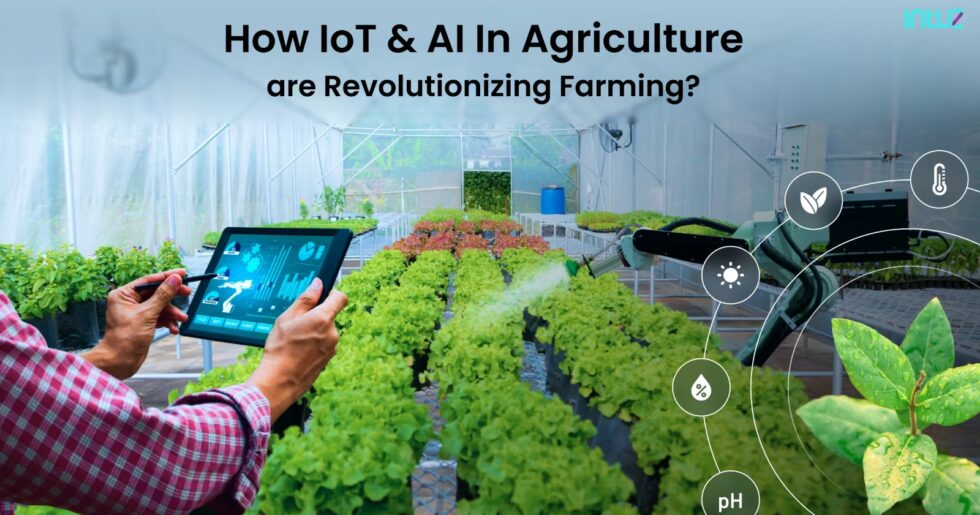
The Internet of Things (IoT) consists of smart devices connected through networks that collect and share real-time data from the field.
Soil Sensors
These devices continuously monitor moisture levels, pH, and nutrient status. Farmers receive alerts when action is required, reducing the need for manual field inspections.
On-Farm Weather Stations
Local weather stations installed on campus farms or fields provide precise micro-climate data. This is more reliable than general district-level forecasts.
Automated Irrigation Systems
Connected with sensors, irrigation pumps can automatically operate based on crop needs, ensuring optimal water use and consistent crop growth.
Drones and Smart Farm Equipment
Drones assist in crop monitoring, spraying, and field mapping, while sensor-enabled machinery ensures uniform operations across large plots.
Together, AI and IoT create a smart farming ecosystem where decisions are faster, resources are optimized, and productivity is improved.
Why Agriculture Students Must Learn AI and IoT
The future of agriculture careers extends far beyond traditional roles. Students with knowledge of AI and IoT gain an edge in emerging sectors such as agri-tech startups, corporate agribusiness, research institutions, and international farming projects.
With this knowledge, graduates can:
- Advise farmers on cost-effective precision farming technologies
- Participate in field-based technology trials and demonstrations
- Work with agri-input and agri-equipment companies
- Pursue technology-driven agriculture careers in India and abroad
Learning AI and IoT does not mean becoming a software engineer. It means understanding how digital tools integrate with everyday farming practices.
Technology Exposure Through Practical Learning
At the college level, agriculture education increasingly combines traditional crop science with modern technology exposure. Students gain hands-on experience through well-equipped laboratories, demonstration farms, and field-based learning.
Facilities such as soil testing laboratories help students understand how digital data converts into nutrient recommendations. Practical sessions introduce students to mobile-based farm applications that farmers actively use today.
The campus environment also supports demonstrations of smart irrigation systems, drone-based monitoring, and modern farm equipment in collaboration with industry partners. Livestock units adopt basic monitoring methods for animal health and feed efficiency, helping students understand technology use beyond crop production.
👉 Explore campus facilities and practical learning opportunities
👉 Know more about laboratory and farm infrastructure
Through industrial visits and alumni interactions, students gain exposure to professionals working in agri-technology fields, helping them visualize diverse career pathways.
Practical Steps for Students to Get Started
Students can begin building confidence with AI and IoT through simple initiatives:
- Participate in projects involving digital crop data collection
- Attend workshops, seminars, or webinars on farm technology
- Use mobile applications for soil testing, weather updates, and crop advisory
- Observe automated irrigation or sensor-based systems during field practicals
- Read real-world case studies of technology-driven farms
Small efforts during college life prepare students for advanced roles after graduation.
Final Thoughts
AI and IoT are no longer future concepts—they are already shaping modern agriculture. For agriculture students, understanding these tools is essential for professional growth. Those who combine traditional farming wisdom with digital insights will play a key role in building a sustainable and profitable agricultural future.
With a learning environment that blends strong agricultural fundamentals and exposure to emerging technologies, students are well-prepared to become innovators, advisors, and leaders in the evolving agri-sector.How to Use AI and IoT in Modern Farming – A Beginner’s Guide for Agriculture Students