Farm and Instructional Units at STAC
STAC is set within a sprawling 125-acre campus, enriched with diverse flora and fauna. The institution integrates extensive agricultural operations, including the cultivation of staple crops like rice and pulses, horticultural produce such as citrus, coconut, and mango, as well as forestry plantations featuring teak and Manila tamarind. These resources serve as both functional farming units and instructional spaces for hands-on learning.
Instructional Units at STAC
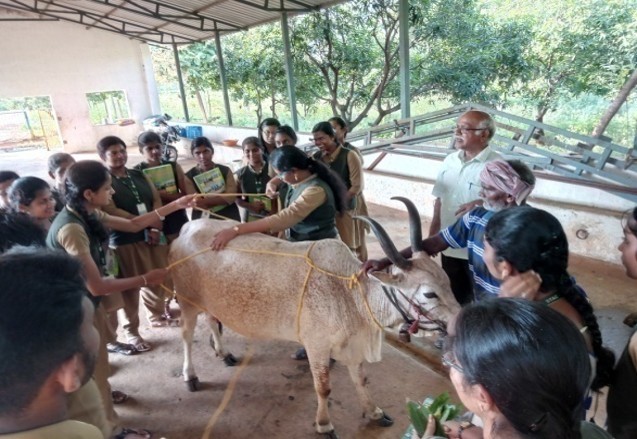
STAC offers well-developed instructional facilities designed for hands-on training and demonstrations, catering to both students and farmers. These units provide practical exposure to modern and sustainable agricultural practices.
Key Instructional Units Include:
| Category | Instructional Units | Purpose |
| Crop Production | Crop Husbandry Units | Hands-on training in crop cultivation techniques |
| Crop Cafeteria | Demonstration of diverse crop varieties and farming methods | |
| Germplasm Plot | Conservation and study of crop genetic diversity | |
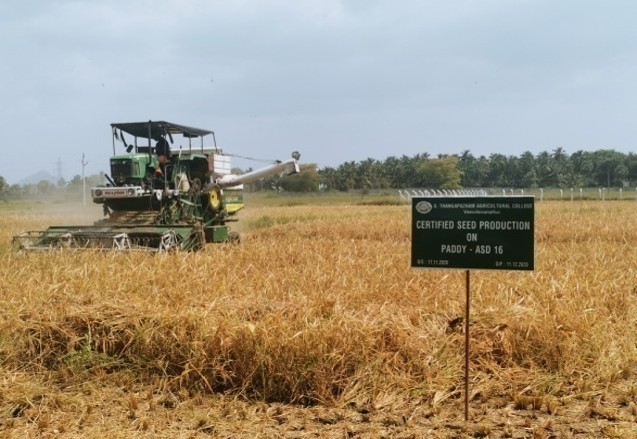
| Seed Production Unit | Training in quality seed multiplication | |
| Controlled Farming | Polyhouse | Controlled-environment farming for high-value crops |
| Net house | Learn the propagation techniques | |
| Mist Chambers |
| |
| Horticulture | Commercial Orchard | Practical training in fruit tree cultivation |
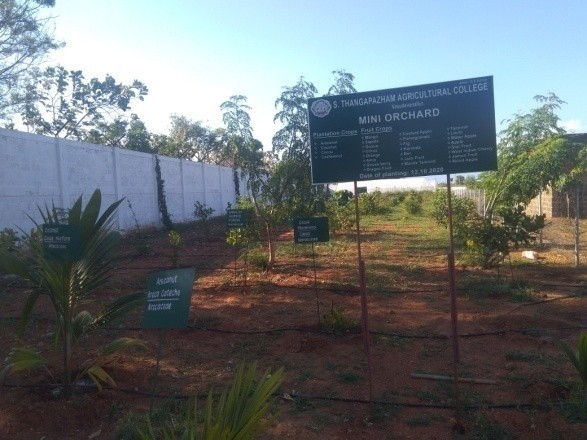
| Mini-Orchard | Compact orchard for teaching fruit production | |
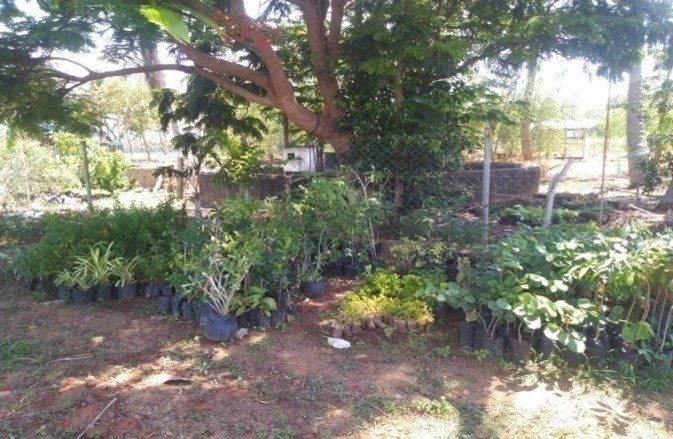
| Nursery | Learn the nursery practices of plants, Seedling production and plant propagation | |
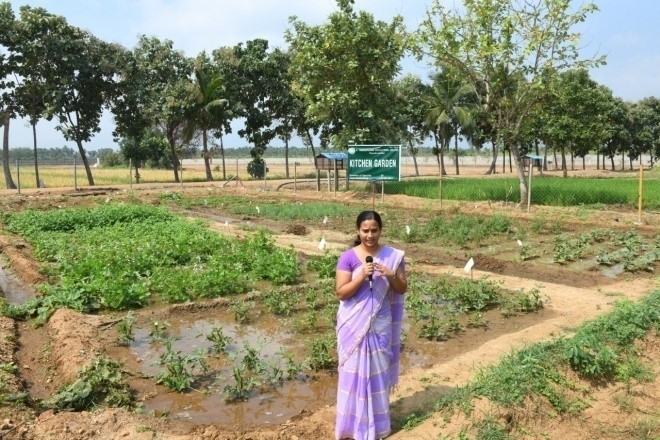
| Kitchen Garden | Learning the kitchen garden practices | |
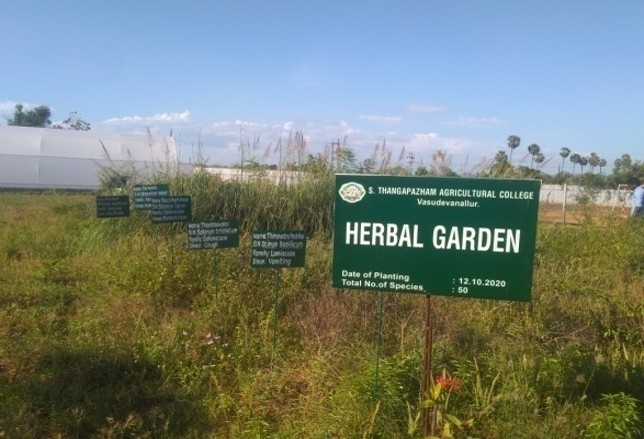
| Herbal Garden | Practical training in Herbal plants cultivation | |
| Organic & Sustainable Farming | Vermicompost Unit | Organic fertilizer production using earthworms |
| Azolla Production Unit | Cultivation of Azolla for biofertilizer & feed | |
| Composting Unit | Organic waste recycling for soil enrichment | |
| Integrated Farming | Integrated Farming System (IFS) Unit | Combines crops, livestock, and forestry for sustainability |
| Soil & Water Management | Soil & Water Conservation Unit | Techniques to prevent erosion and conserve resources |
| Irrigation Cafeteria | Demonstrates efficient irrigation methods | |
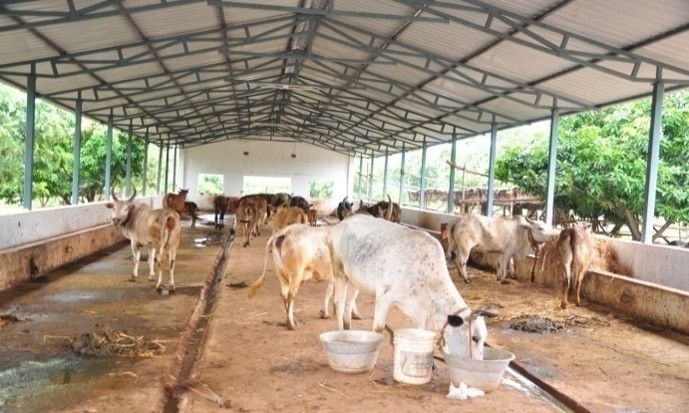
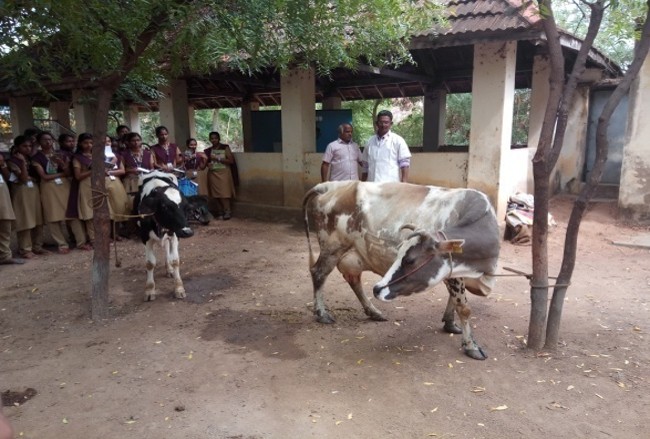
| Livestock & Poultry | Dairy & Poultry Unit | Practical exposure to animal husbandry |
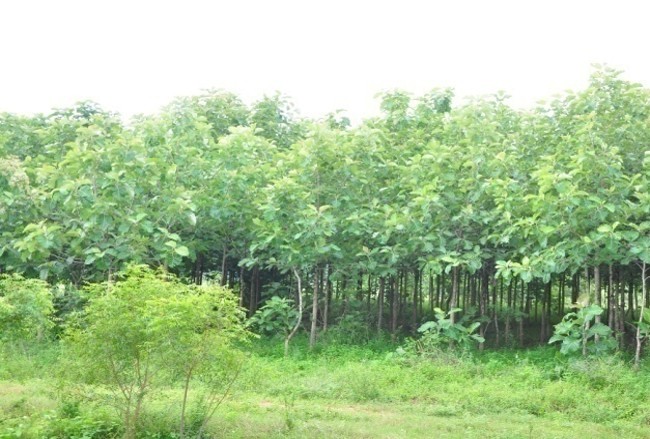
| Agroforestry & Forestry | Wood lot | Identification of the different tree species |
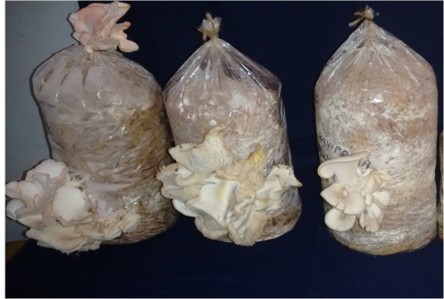
| Specialized Farming | Mushroom Production Unit | Training in mushroom cultivation |
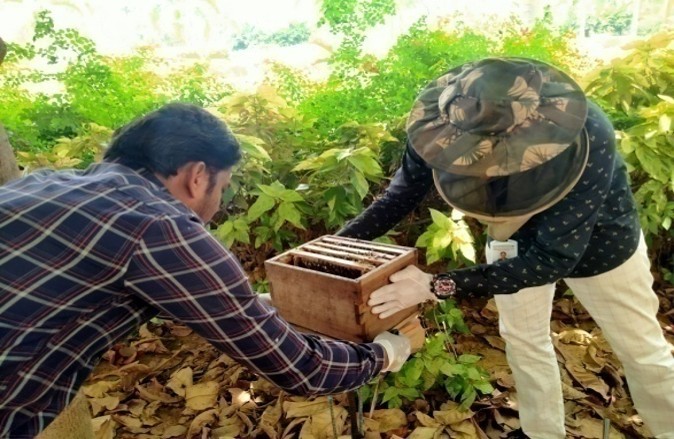
| Apiary Unit (Beekeeping) | Honey production and pollination management | |
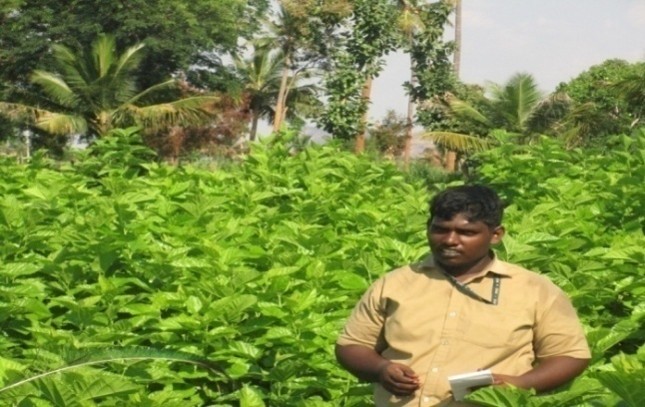
| Sericulture Unit | Silk production (mulberry & silkworm rearing) | |
| Renewable Energy | Renewable Energy Unit | Training in biogas, solar, and other eco-friendly energy solutions |
| Research & Education | Field Lab | On-site agricultural research and experimentation |
| Medicinal Plants | Botanical & Medicinal Plant Cafeteria | Showcases medicinal and aromatic plants |
Instructional Farms
| S. No. | Department | Name of the Instructional Farm | Area | Details |
| 1. | Agronomy | Field lab cum Class room | 140 sq.m | Field lab cum class room available at central farm – A Block of this college is utilized for the conduct of demonstrations pertaining to Weed management and Farm mechanization courses. |
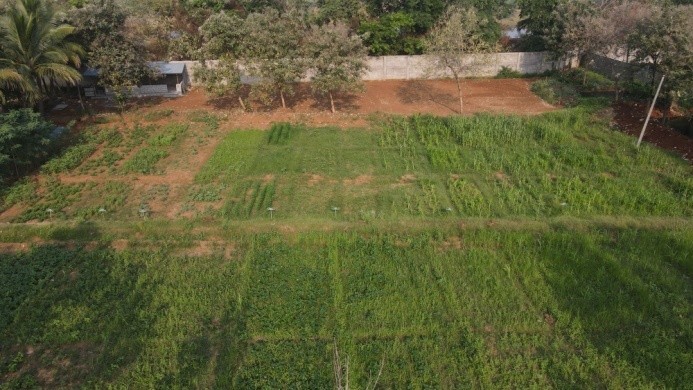
| Crop husbandry | 2.4 ha. | III year UG students are allotted with an area of 5-10 cents to carry out the crop cultivation. | ||
| Cafeteria unit | 2 acres | 2 acres covering all crops are maintained regularly. | ||
| Irrigation cafeteria unit | 1000 m2 | Irrigation cafeteria was laid and maintained at an area of 1000 m2 to expose the practical knowledge on irrigation water measuring devices, different methods of irrigation and micro irrigation techniques to the students. The water measuring devices parshall flume, 90°V notch, trapezoidal or cipolletti weir and rectangular weir are installed in the cafeteria, the layout on irrigation methods such as uncontrolled flooding, beds and channel, ridges and furrows, check basin, ring basin and furrow irrigated raised beds were maintained. Also, the micro irrigation methods, drip irrigation and sprinkler irrigation were laid to impart skills on micro irrigation techniques to the students. | ||
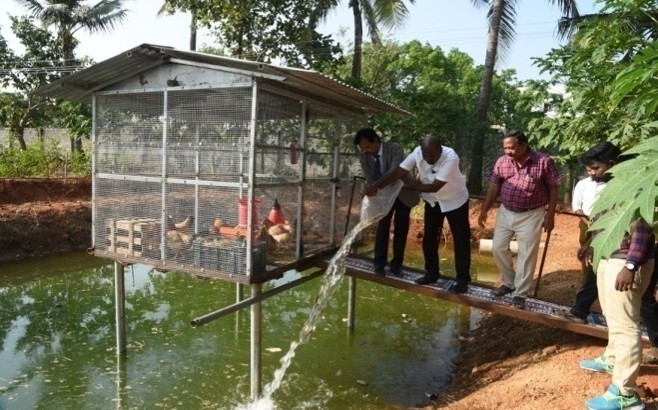
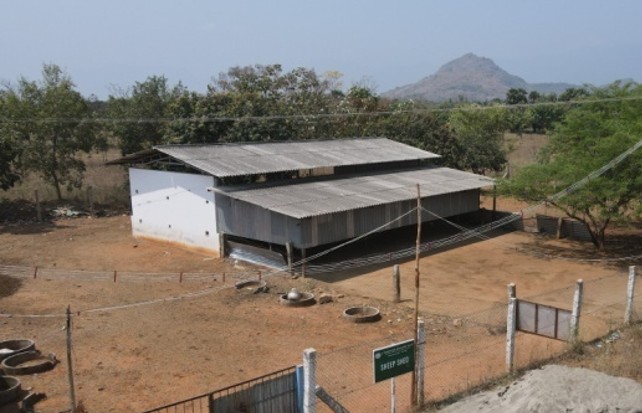
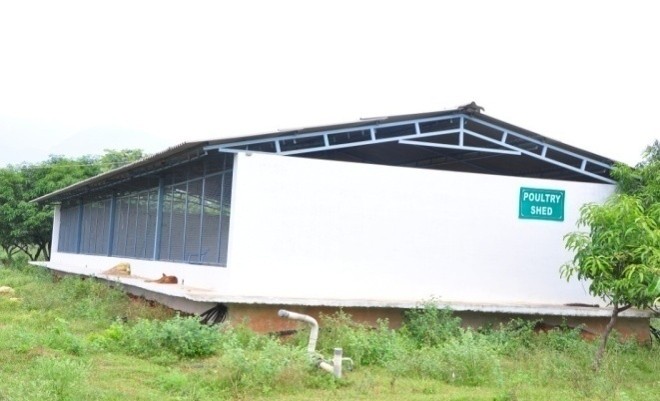
| IFS (Wetland based unit) | 1 ha | Farm pond (20 x 15 m), Poultry shed, one milch animal, 4 + 1 sheep are maintained in 1 ha wetland system. | ||
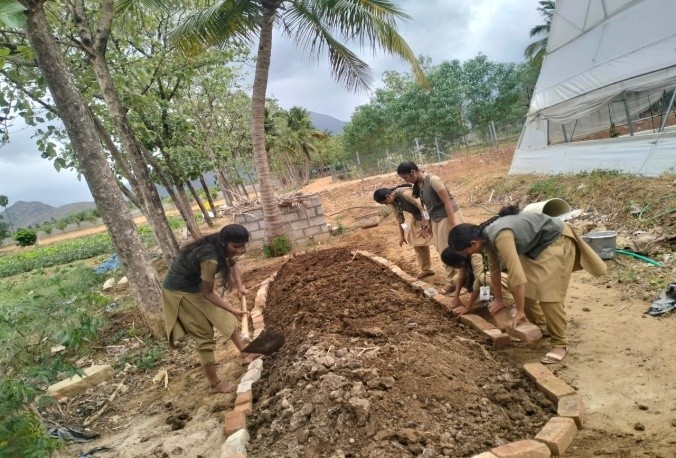
| Soil Science and agricultural Chemistry | Vermicompost unit | 400 sq.m | Mass production of vermicompost- A Quantity of 6 tonnes of vermicompost was produced. | |
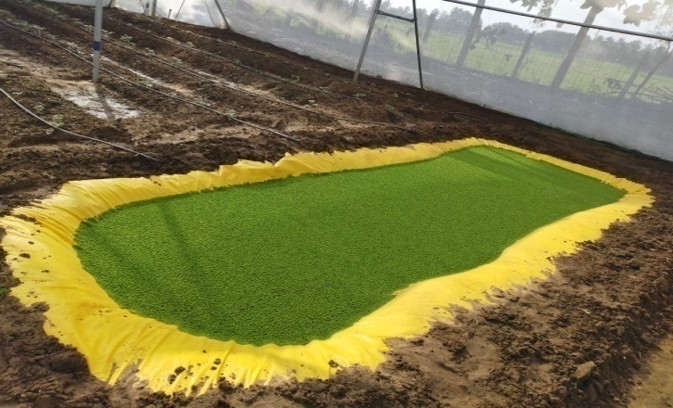
| Agricultural Microbiology | Azolla Production Unit | 64 sq.ft | Mass production of Azolla and used as biofertilizer for paddy and also as cattle feed. | |
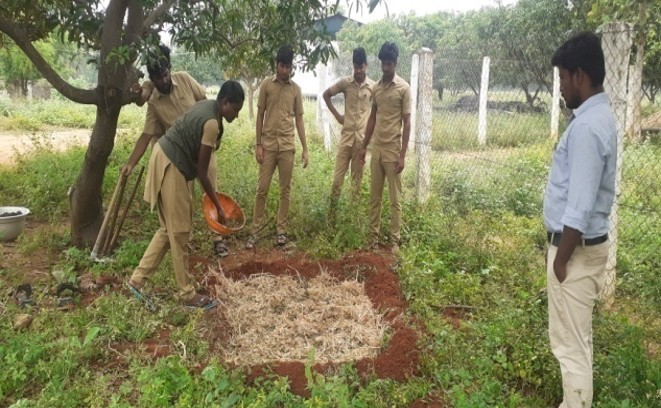
| Environmental Science | Farm waste | 1500 cu.ft | Farm waste are collected and shredded by shredding machine. Then these shredded materials are made into compost by pit method. | |
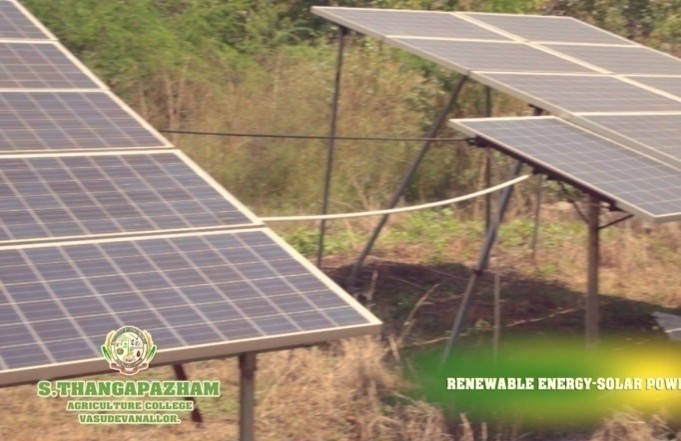
| Ag. Engineering | Solar panel unit | 300 sq.ft | Solar panel unit is installed to run the 5 hp submergible pump in the bore well. | |
| 2. | Plant Breeding and Genetics | Student’s Crop Cafeteria | 2 acres | Here, recent varieties of crops and its wild/germplasm accessions are raised and maintained to help the students to observe and learn botany and its life cycle. |
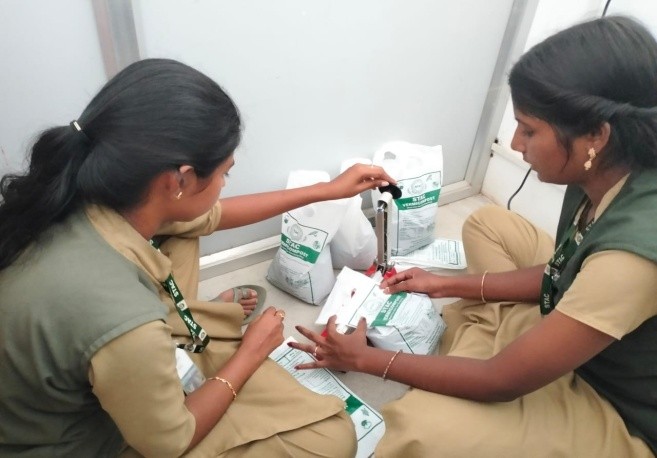
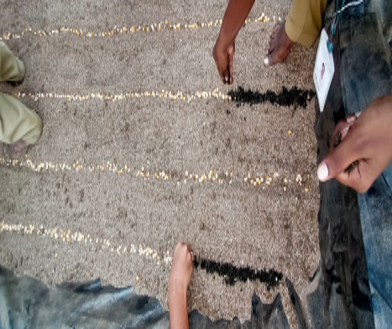
| Seed Science and Technology | Seed Production Farm | 3 acres | Seed production is initiated to produce paddy certified seed production in an area of 3 acres. The seed farm is maintained to help the students to learn the package of practices and minimum seed certification procedures that are followed during the certified seed production. A seed company viz., STAC seeds was registered at Tamil Nadu Seed certification Department. | |
| 3. | Agricultural Entomology | Apiary | 10 hives | Indian honey bees, Apis cerana indica hives are maintained for giving hands on training to the students. |
| Sericulture Unit | 21 m2 | Mulberry plants are cultivated in 0.5 acre with suitable farming system. Silkworm rearing unit is also maintained to give hands on training to the students and farmers. | ||
| Plant Pathology | Mushroom shed | 40 m2 | A mushroom shed is being maintained with a size of 40 m2 for giving hands on training to the students. | |
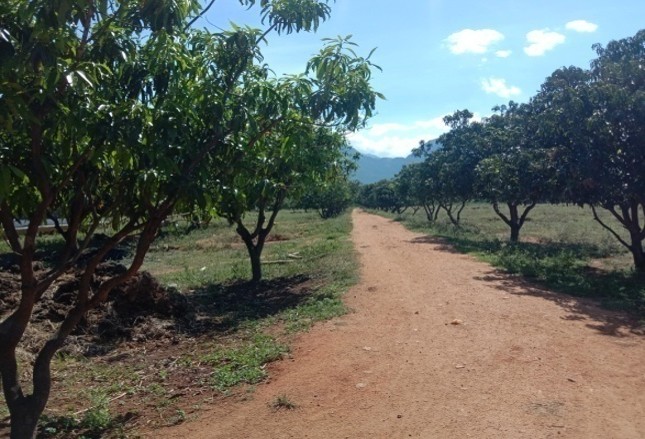
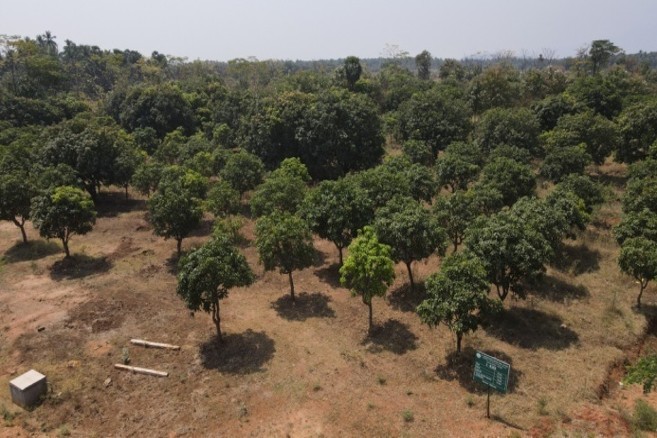
| 4. | Horticulture | Commercial Orchard | 94.27 acres | An area of 94.27 acres has been established for commercial cultivation of Mango, Guava, Citrus, Amla, Manila Tamarind and Coconut. |
| Mini Orchard | 1 acre | A mini orchard is being maintained in ultra high density planting for all tropical fruit crops, plantation crops. Mainly for practicing horticultural techniques like nipping, training and application of water soluble fertilizers by the undergraduate students. Infrastructure: Bore-well and power room; Drip irrigation system. | ||
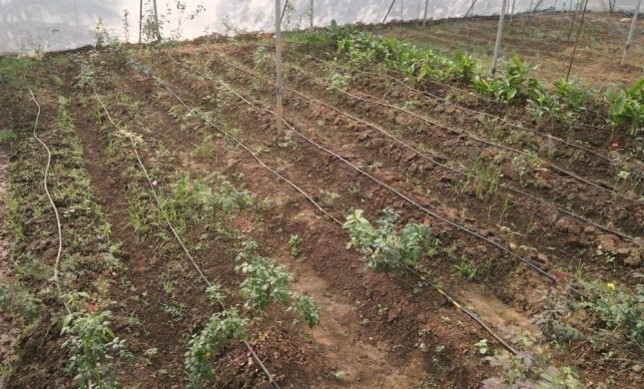
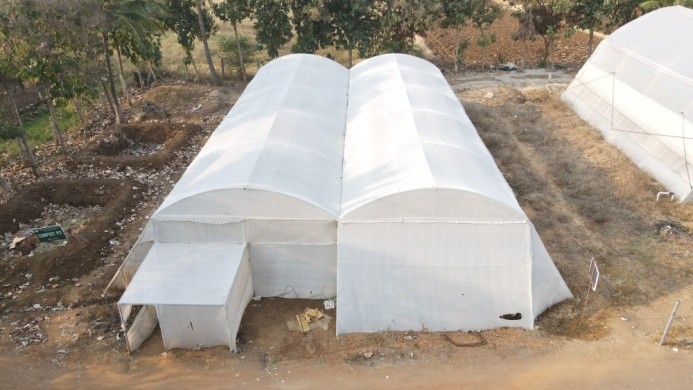
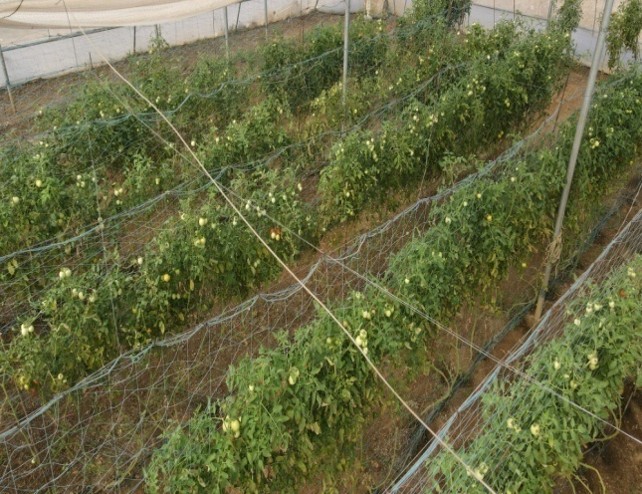
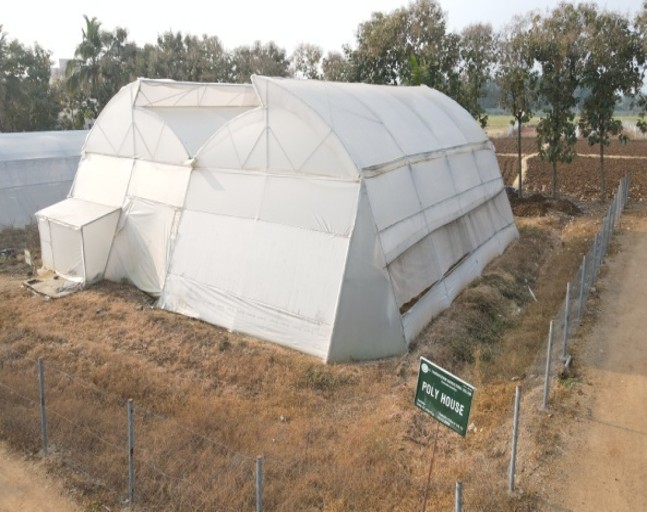
| Polyhouse | 400 sq.m | 400 sq.m for cultivation of Hybrid Tomato (U.S.12). Infrastructure: Overhead sprinkler system; Drip irrigation and fertigation, ½ H.P motor. | ||
| Shade -Net house | 400 sq.m | 400 sq.m for the propagation of fruits and ornamental plants and cultivation of vegetables. | ||
| Nursery | 2000 sq.m | Tree saplings, Fruit crop seedlings, Potted ornamental plants. | ||
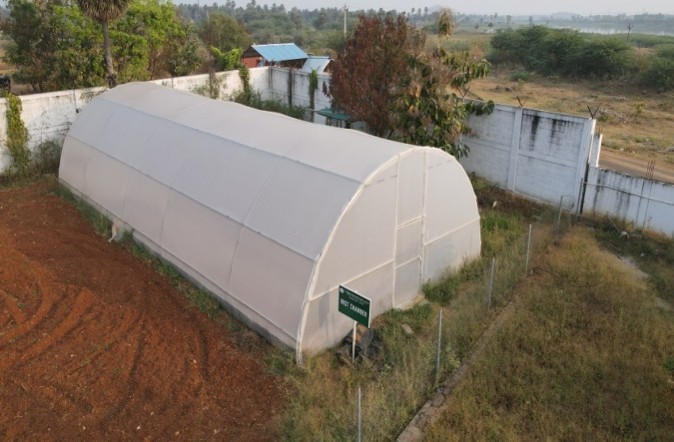
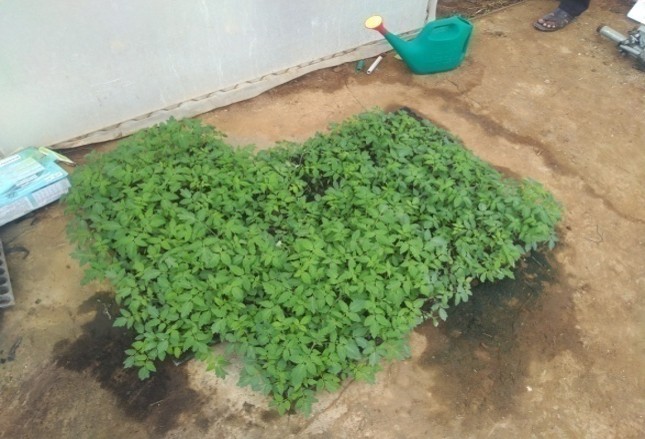
| Mist chamber | 136 sq.m | Propagation of garden plants viz., Citrus, Manila Tamarind, Guava, Henna, Duranda, Almond, Hibiscus, Ixora, Cliro Dendron and medicinal plants. | ||
| Kitchen garden | 288 sq.m | Cultivation of vegetable crops. | ||
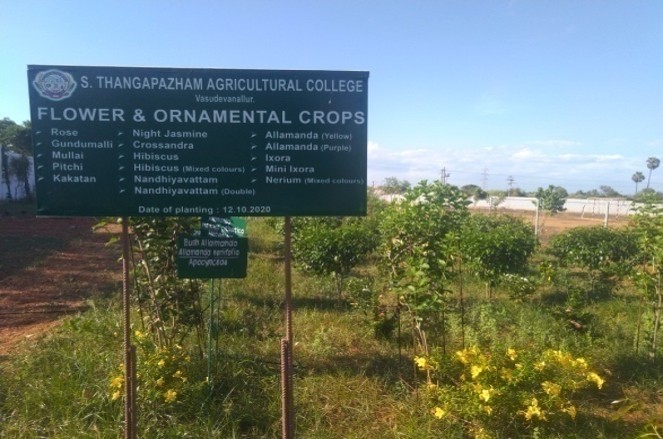
| Flower and Ornamental plants unit | 150 sq.m | Cultivation of flower and ornamental crops. | ||
| Herbal garden | 300 sq.m | Endangered and native species of medicinal plants of about 50 species are maintained for the benefit of the students. | ||
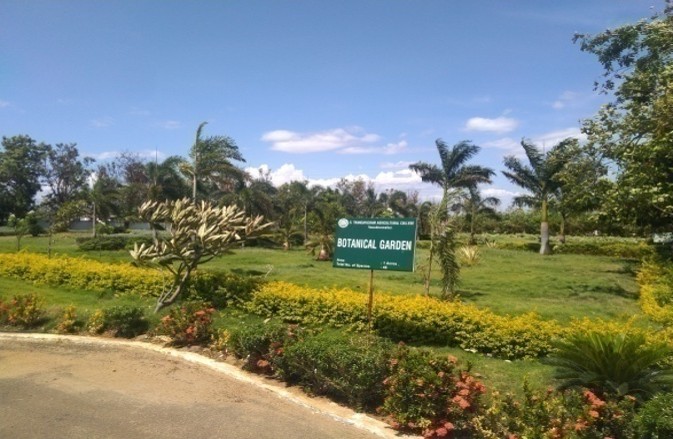
| Botanical garden | 4000 sq.m | Endangered and native species of ornamental plants of about 40 species are maintained for the benefit of the students. | ||
| 5. | Forestry | Wood lot | 8.84 acres | A total of 33 species of trees are being maintained in the wood lot. |
| Nursery | 2000 sq.m | Tree saplings (1000) are produced to plant around the periphery of the campus. |